Just Lower Prices
Who controls the food in your fridge?
As grocery prices continue to rise, more Canadians are struggling to afford basic necessities while major grocery corporations report substantial profits. Just Lower Prices challenges the growing divide between corporate interests and the everyday realities of putting food on the table.?
Built around a simple message - Just Lower Prices - the initiative uses satire, social media tropes, and grassroots advocacy to draw attention to food insecurity, grocery affordability, and corporate accountability. Through stickers, public messaging, and community participation, the campaign encourages Canadians to question the priorities of an industry that profits from one of life's most basic necessities.?
Because access to food shouldn't be a privilege.
Life Is Not a Meme
Using satire to make food insecurity impossible to ignore.
Food insecurity is a complex issue that many of us experience yet take the time to understand. Just Lower Prices uses familiar memes to make these issues more accessible, relatable, and easier to understand. By combining humour with uncomfortable realities, campaign turns everyday frustrations into opportunities for awareness and conversation. The message may be funny, but the issue is anything but. Life is not a meme.
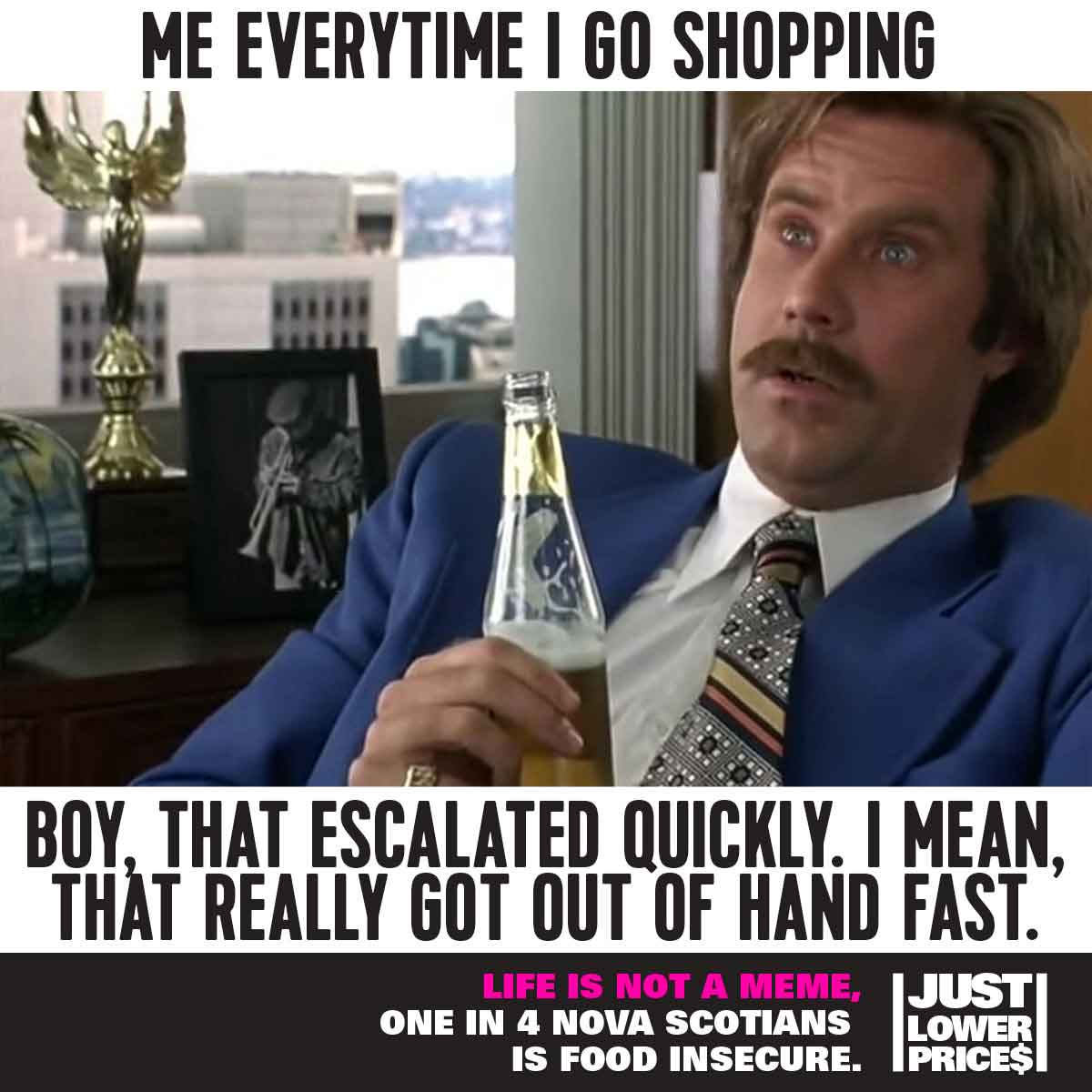
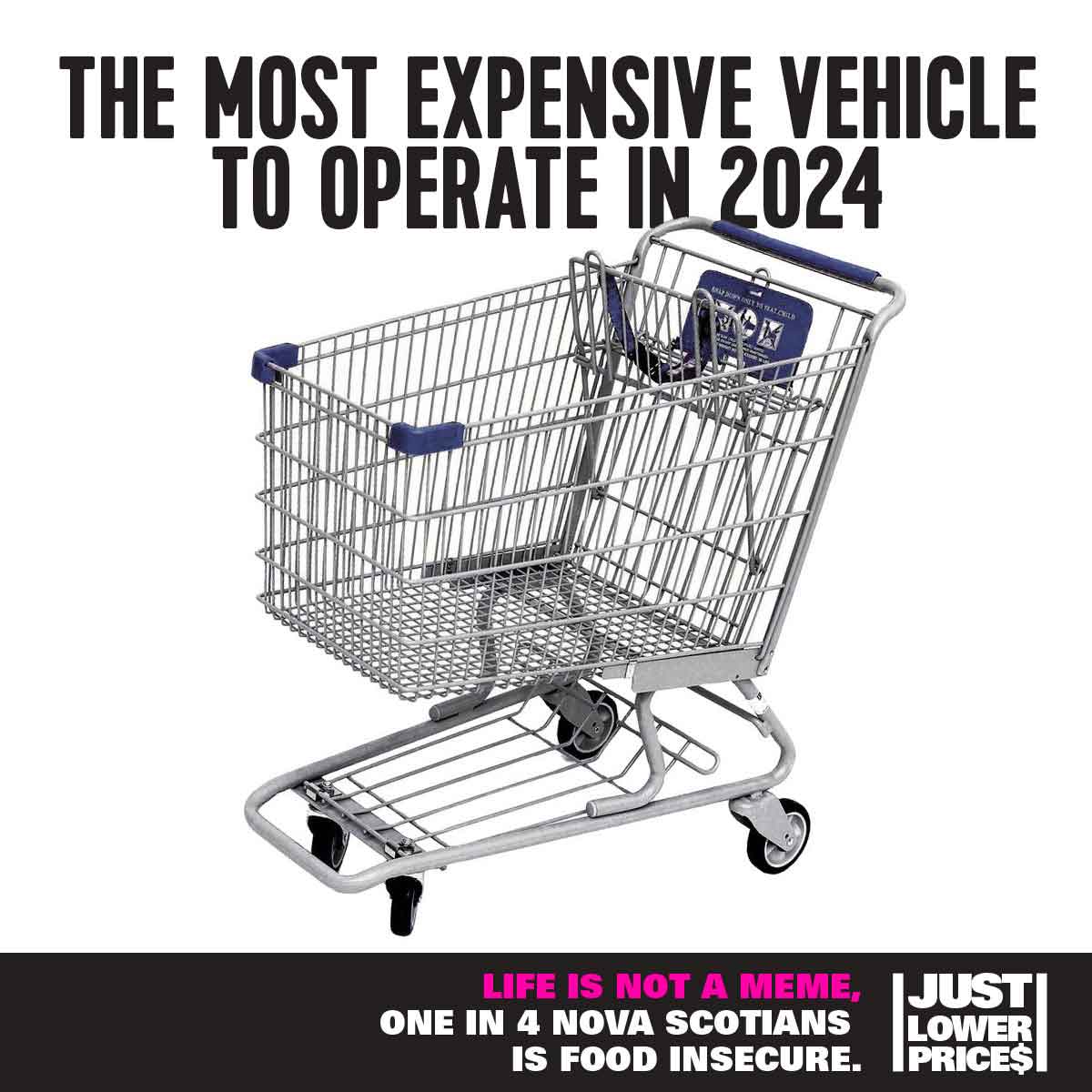

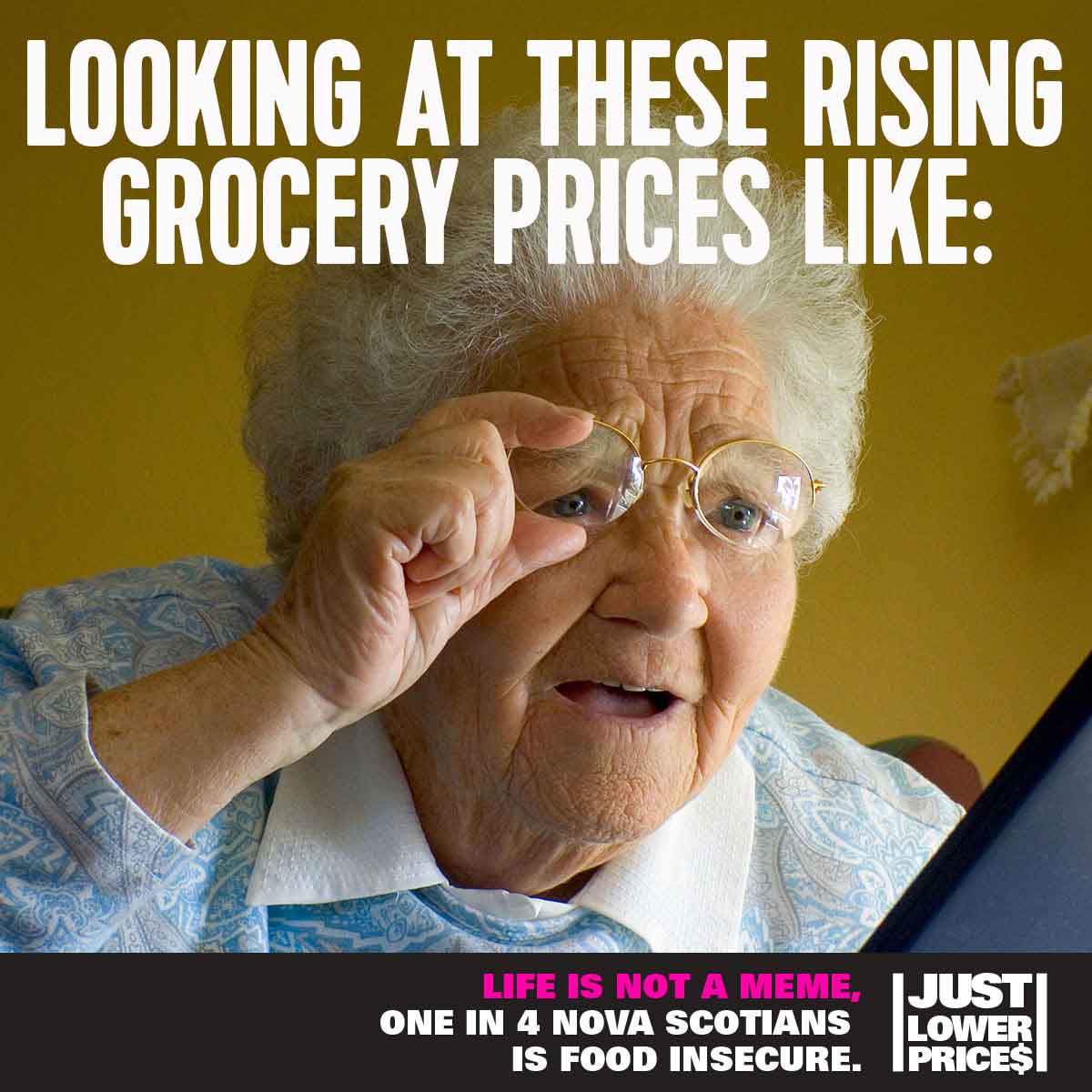
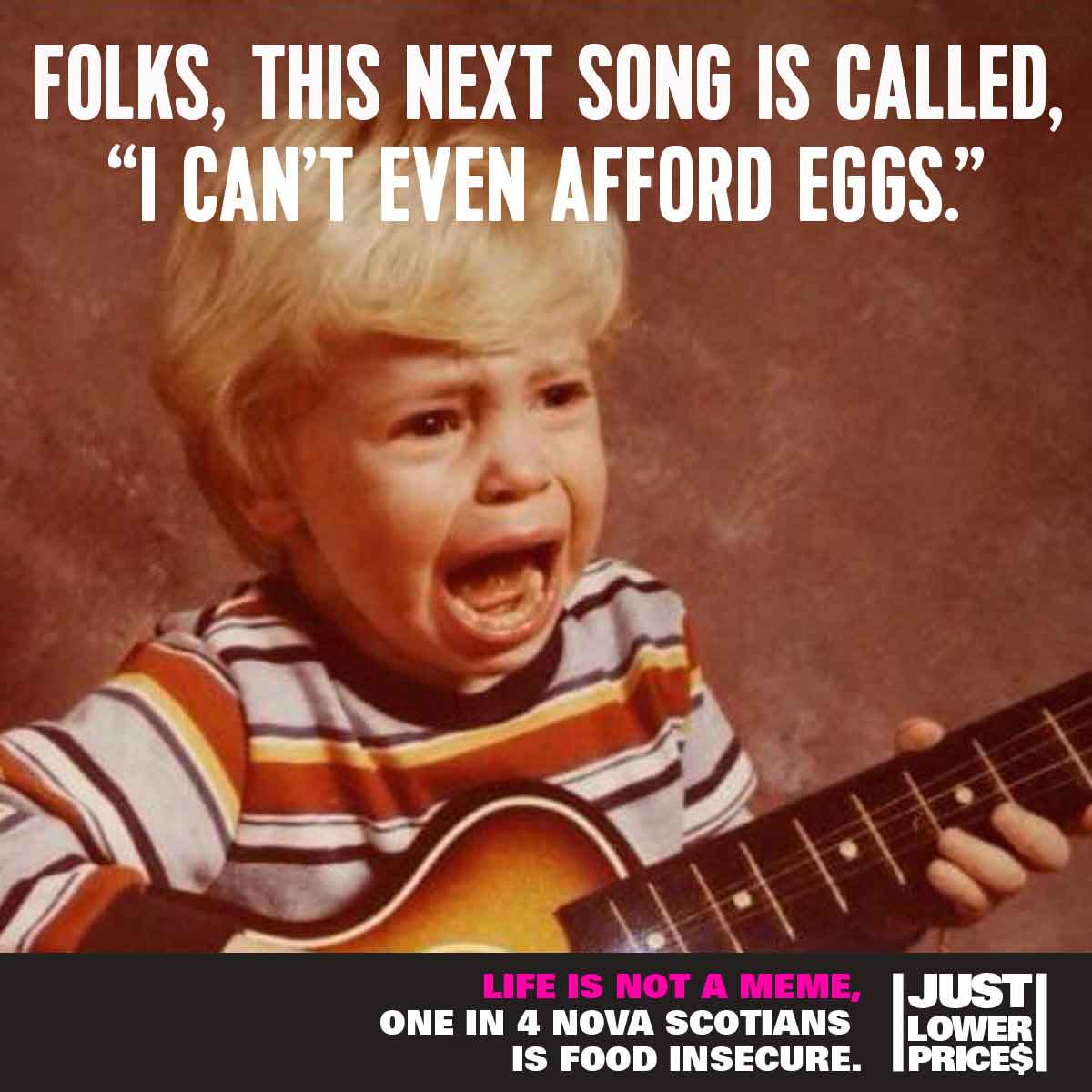
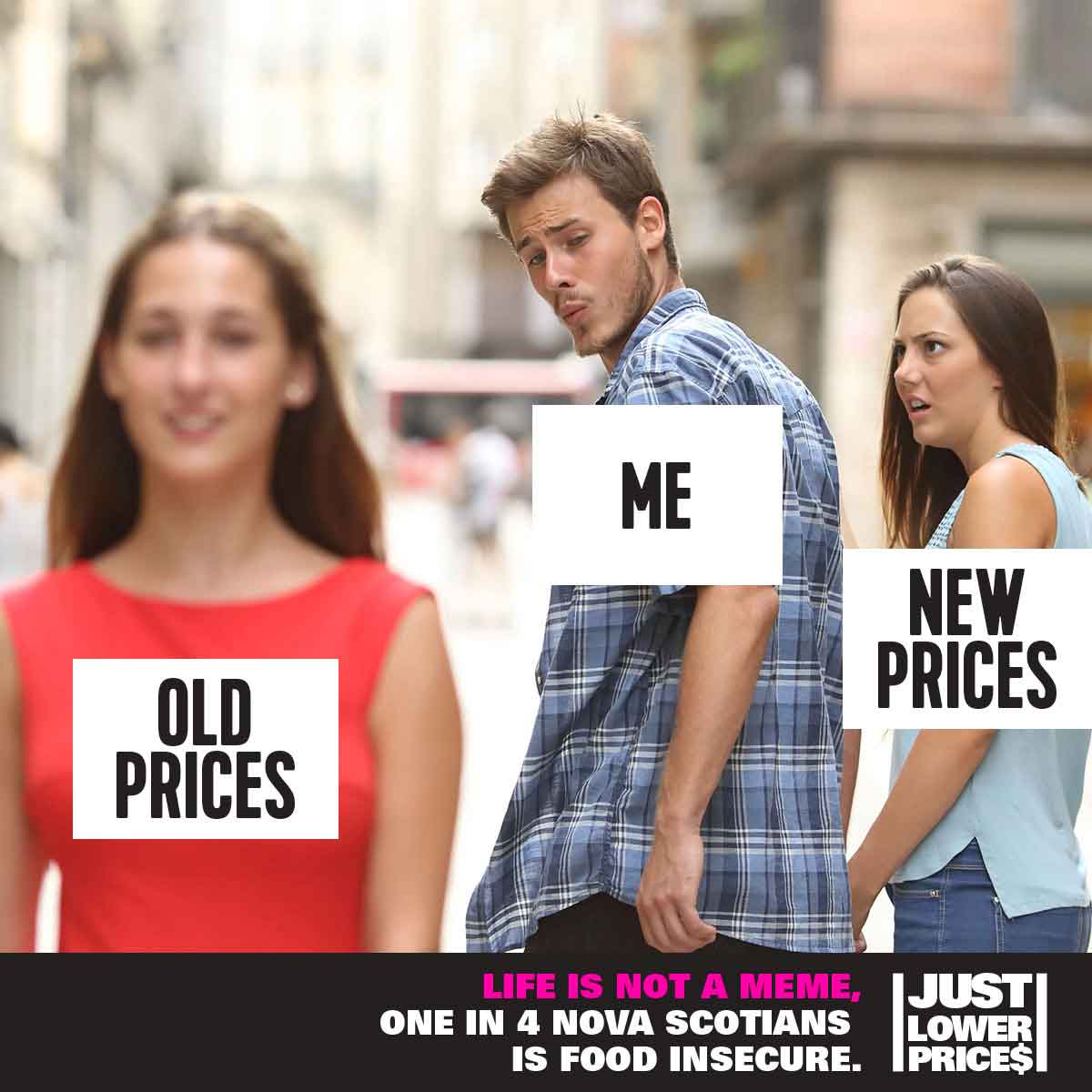
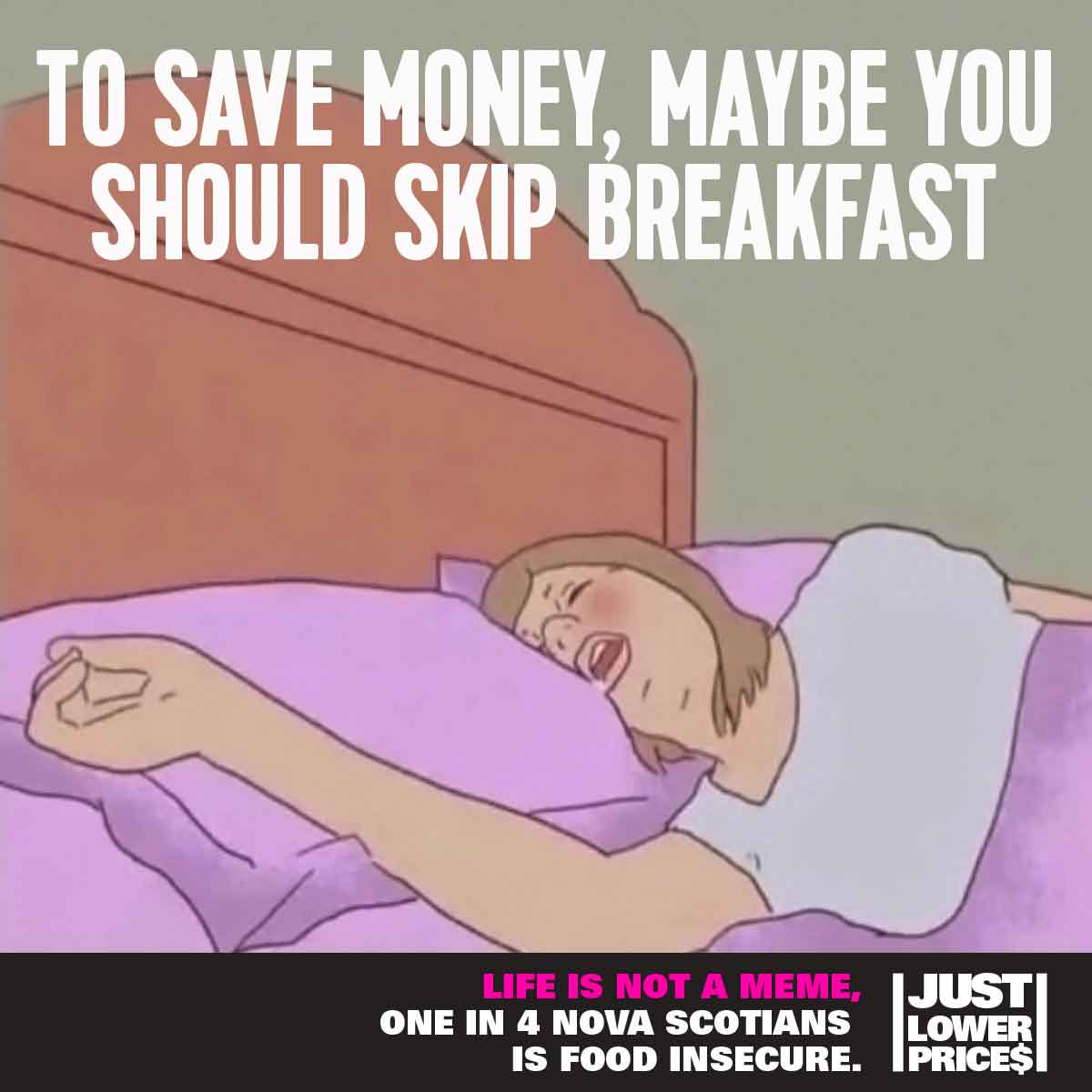
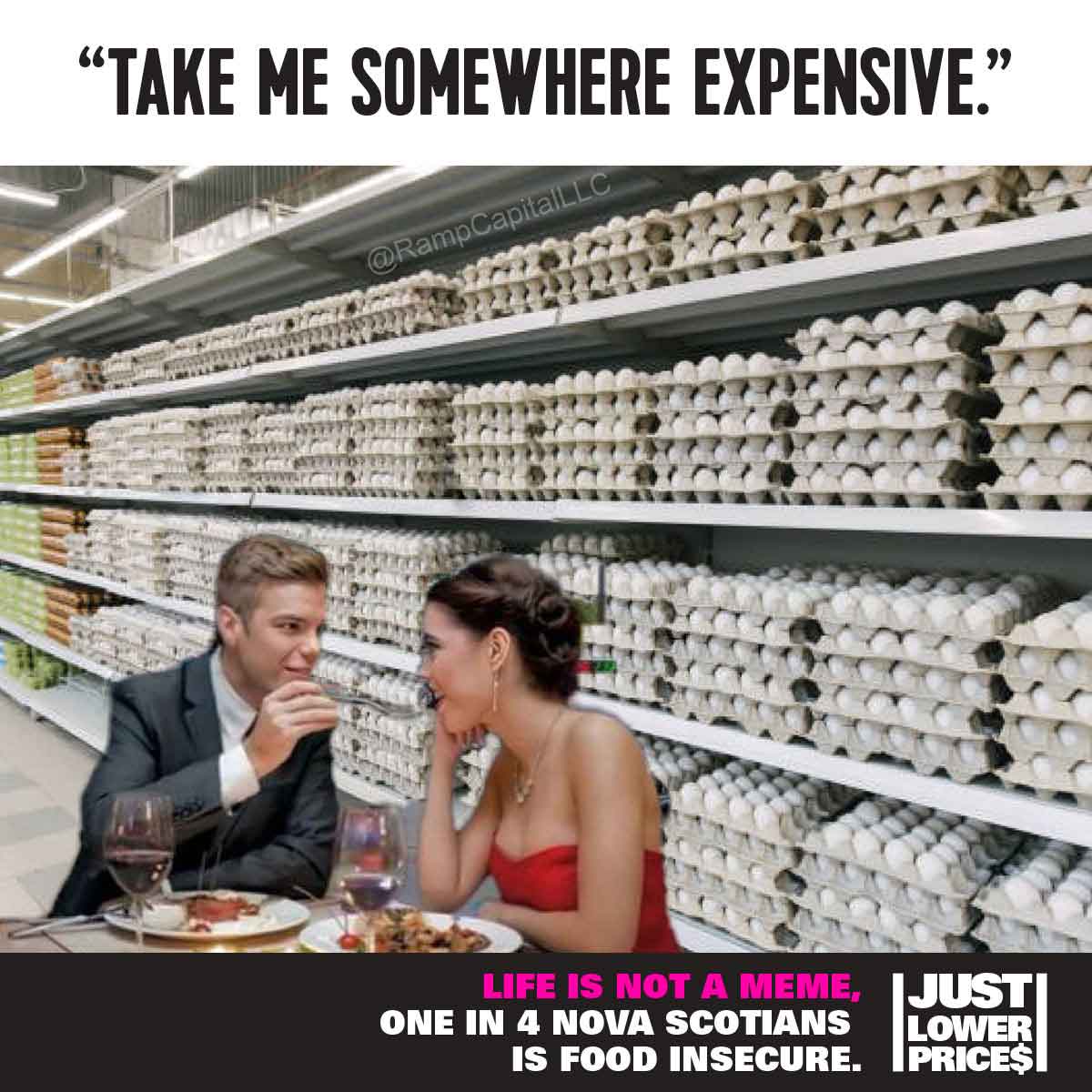
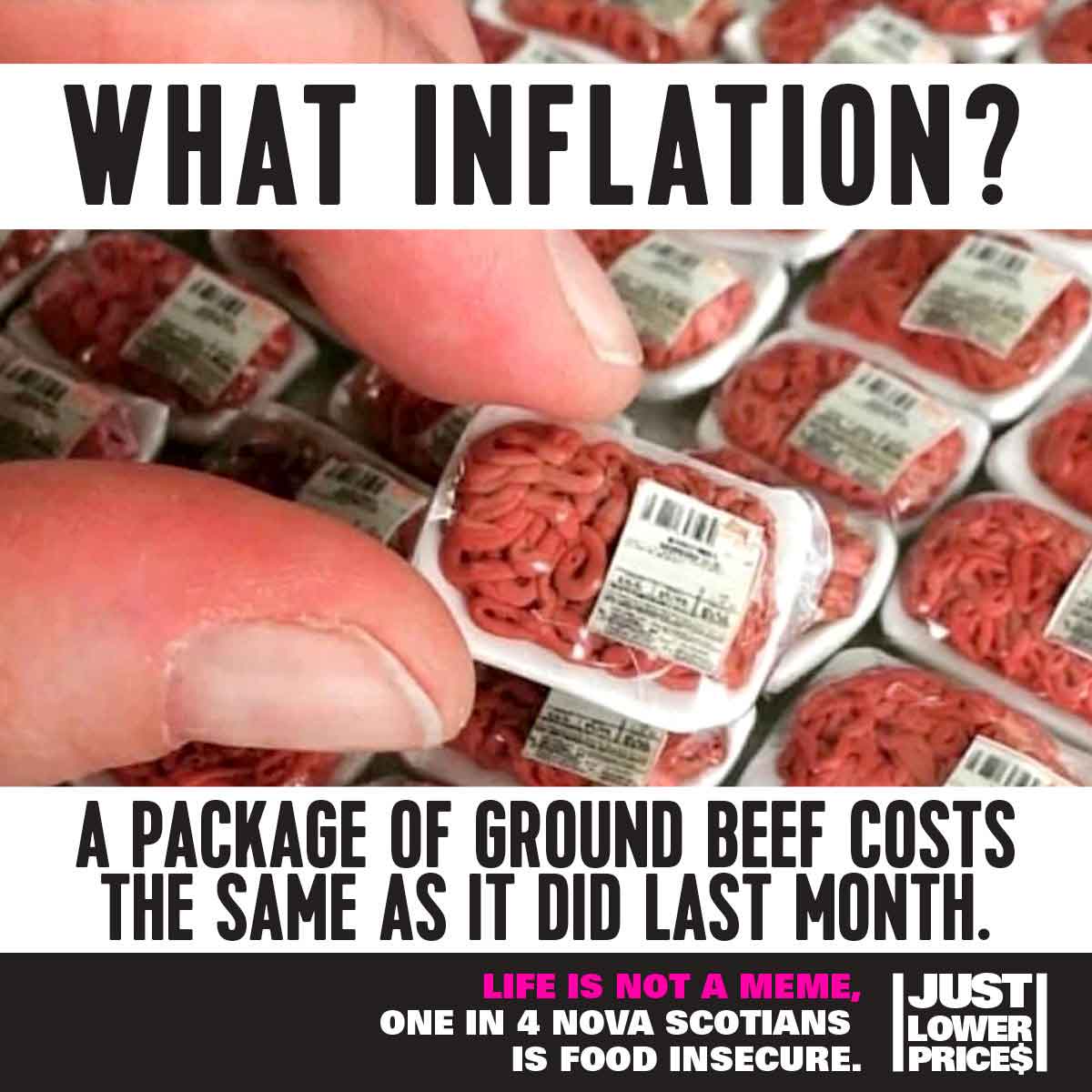
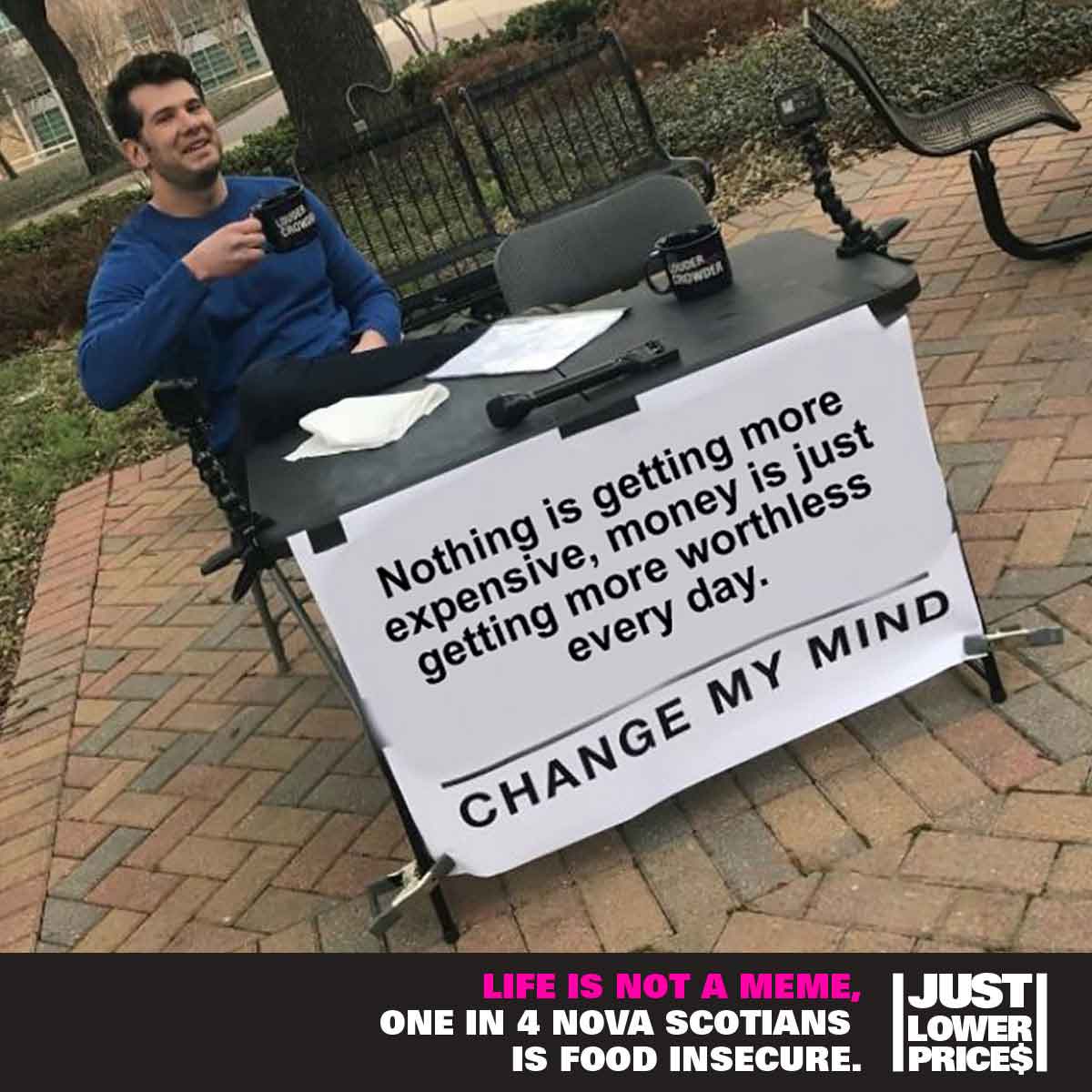
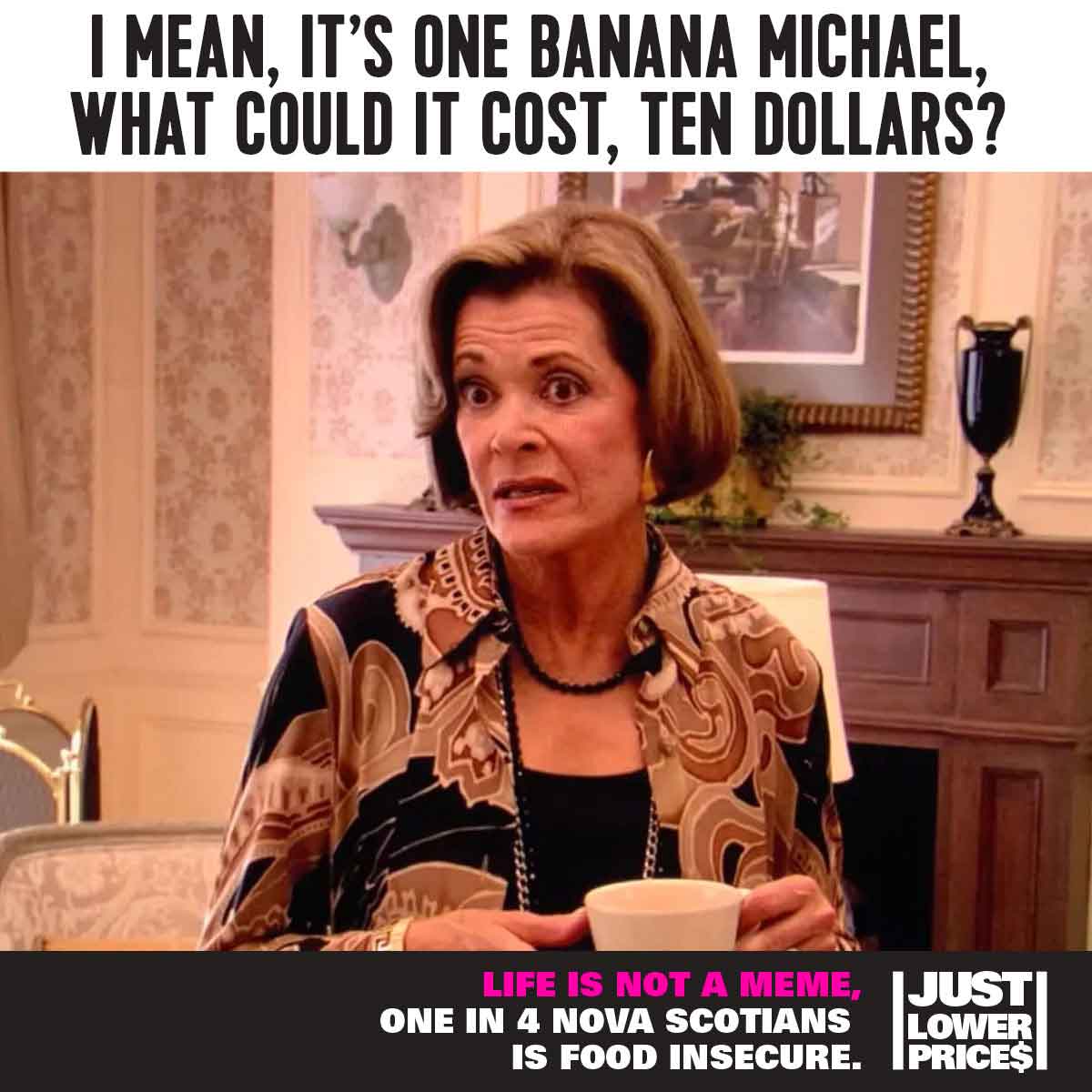
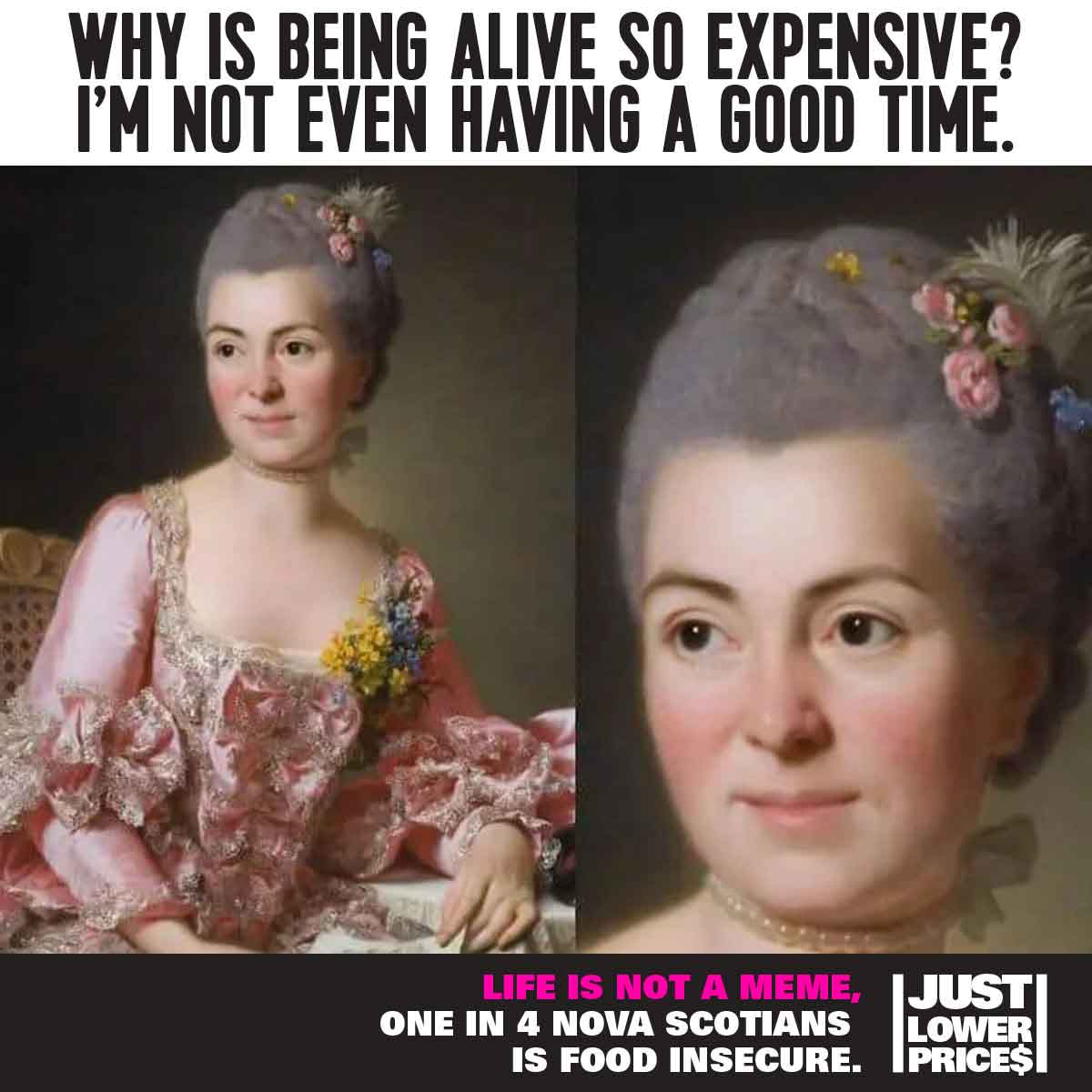
We are living through a profit over humanity business model. Hunger is the result.
Who’s hungry?
25% of us! One in 4 Nova Scotians is food insecure.
33% of children are living in food insecure households.
Overall, in Canada, the highest percentage of individuals living in food-insecure households in 2022 was found among Black people at 39.2% and Indigenous Peoples at 33.4%.
Can you think of a better place for stickering? Who really needs to hear a message from hungry Canadians?
How can I help?
You could sign an online petition. You could petition the NS legislature or The House of Commons. You could write your MLA a strongly worded letter.
There is an immediate need. Community-based organizations are trying to answer this need while supermarkets raise prices and our government stalls. Mutual aid and grassroots efforts need your support.
Statistics via PROOF (food insecurity research program, report November 2023) show that 74% of households reliant on income assistance in Nova Scotia in 2021 were food insecure.
Skyrocketing rent and housing costs are forcing families to choose between paying for housing and putting food on the table.
A majority of Canadians support Universal Basic Income, but bills S-233 & C-223 have yet to become law
You are one person, but a well-placed social connection could multiply your efforts infinitely.

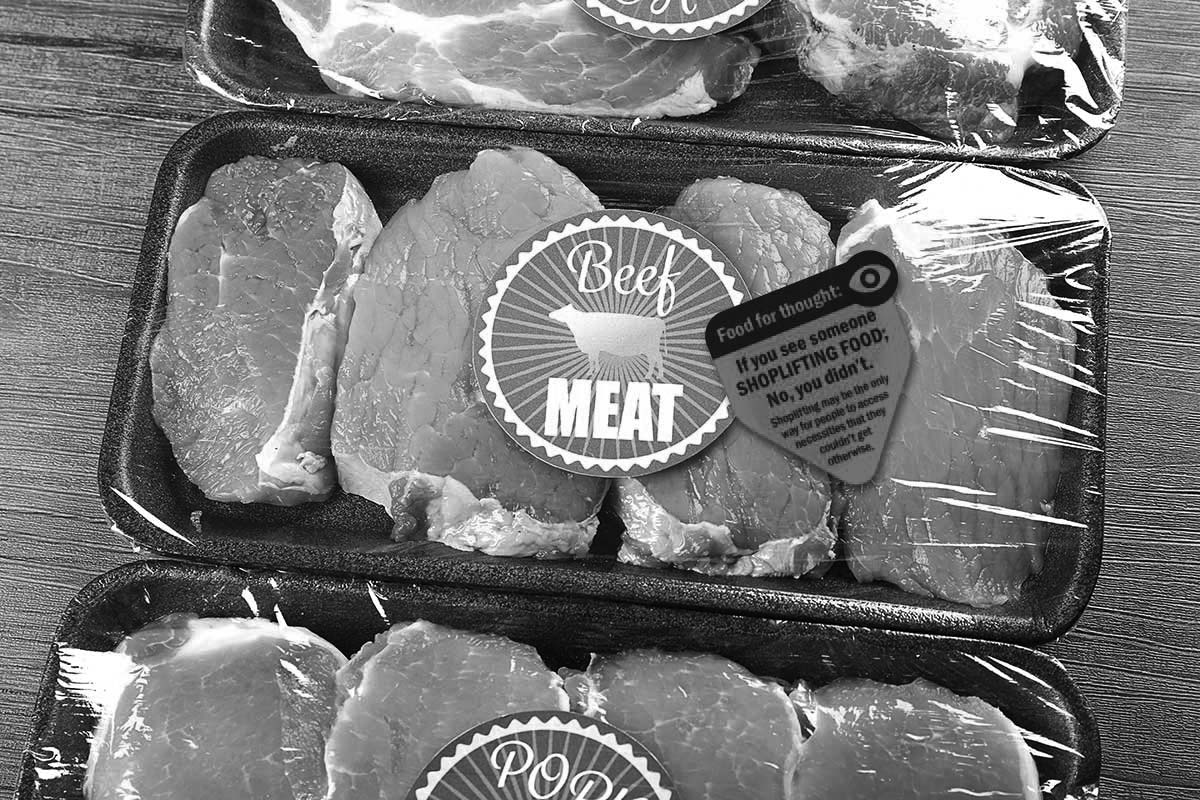
Food for thought stickers
“Pink Sticker Suppers” are a necessity for many. We stretch budgets and try to fill tummies however we can as food prices rise. “Just lower prices”? Yes. That would help. No, we do not support shoplifting, but desperate times may call for a less vigilant eye. Suggested stickering opportunities include:
Food for thought
Common Misconceptions and explanations.
Addressing common questions and misconceptions surrounding food insecurity, grocery prices, and corporate accountability.
Why are you promoting or normalizing shoplifting?
We're not; understanding the economic hardships and extenuating circumstances behind food theft isn't the same as condoning it. This issue deserves nuance, not sweeping generalizations.
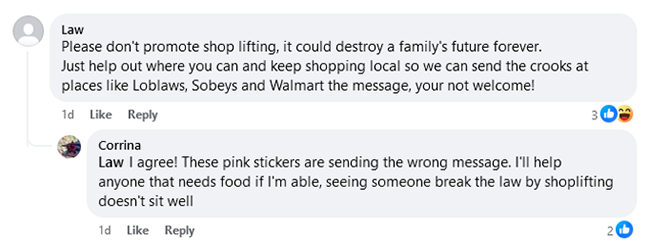

Two wrongs don't make a right! Isn't stealing bad?
Agreed, but condemning theft doesn't address the underlying conditions leaving people struggling to afford basic necessities. Challenging corporate practices doesn't mean endorsing illegal behaviour.
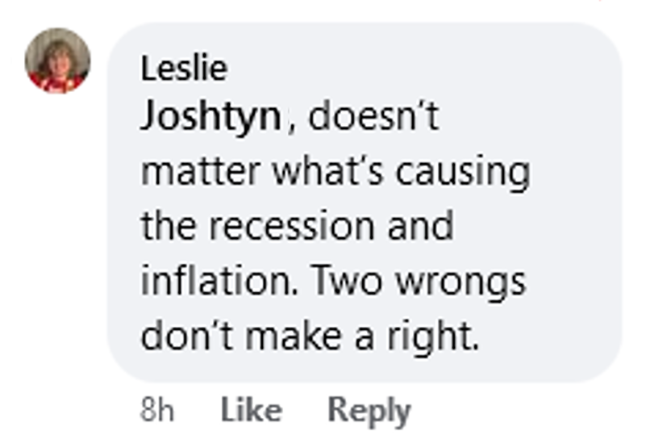
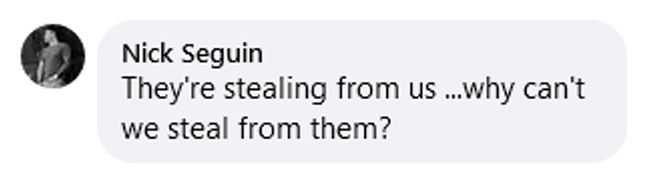
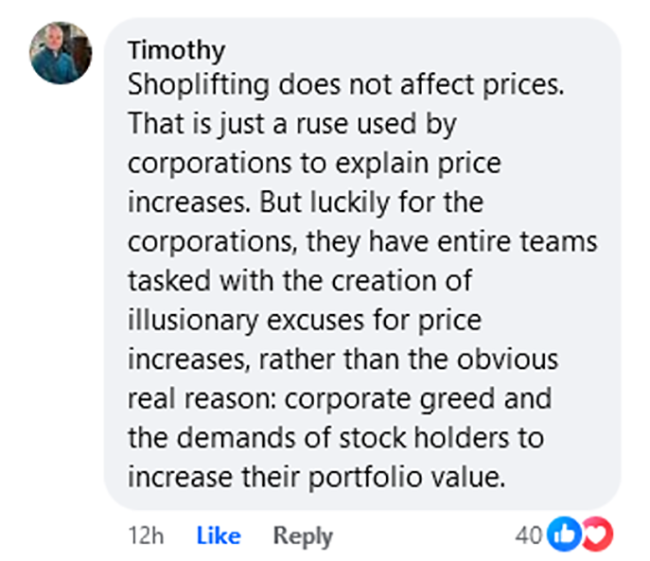
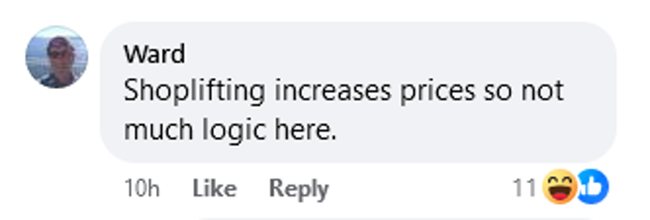
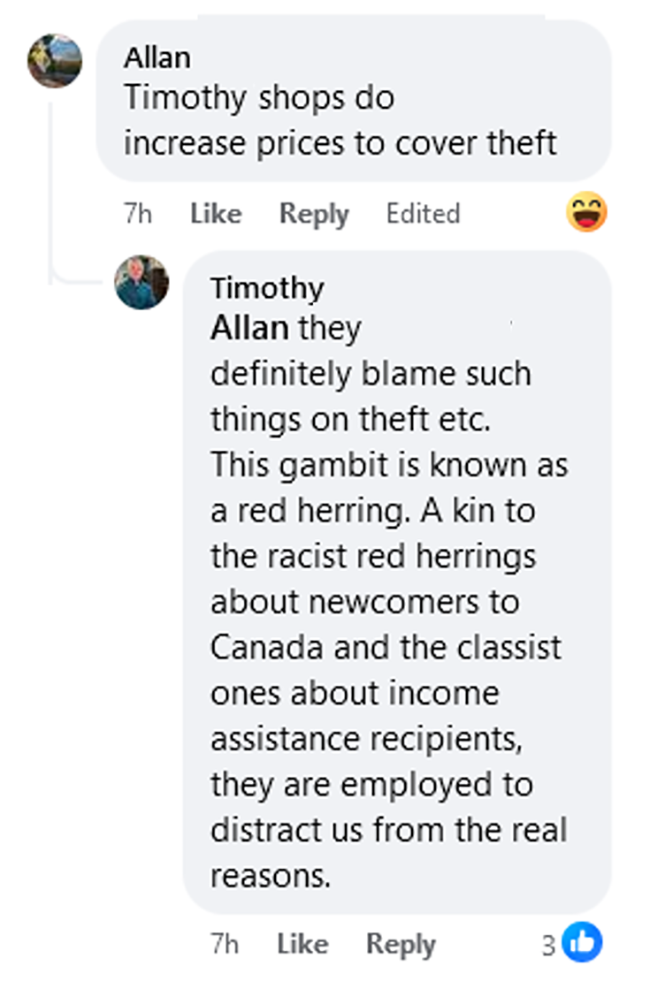
Isn't shoplifting why grocery prices are so high?
Retail theft contributes to business costs, but it's only one of many factors affecting grocery prices. Blaming shoplifting for widespread food inflation oversimplifies a much larger issue.
Isn't it the farmers who make food so expensive?
Farmers are only one part of a complex supply chain involving transportation, processing, distribution, and corporate pricing decisions.
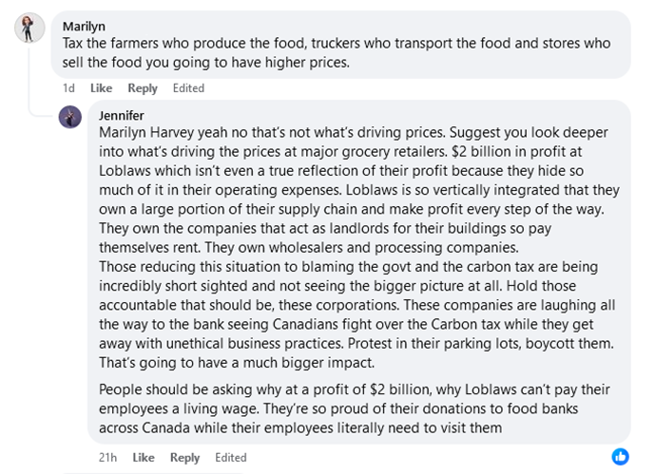
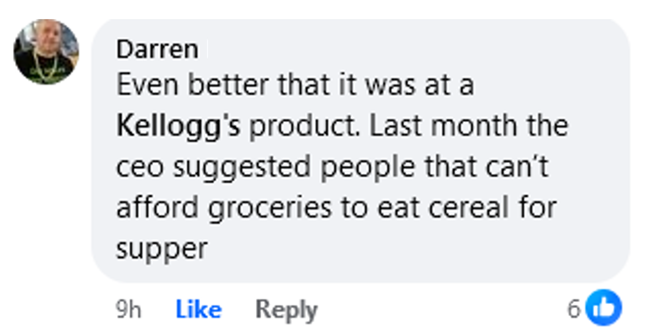
Is corporate greed contributing to food insecurity?
Corporate pricing practices and profit margins deserve scrutiny, particularly when businesses profit from essential human necessities.
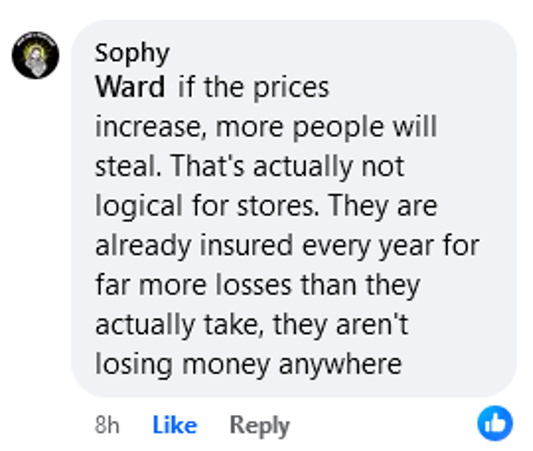
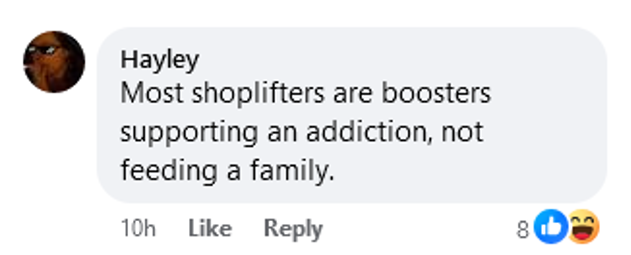
Aren't stores insured against theft, and aren't shoplifters just looking for a free ride?
Insurance doesn't eliminate the consequences of theft, and assuming everyone steals for the same reasons ignores poverty, desperation, and other extenuating circumstances.
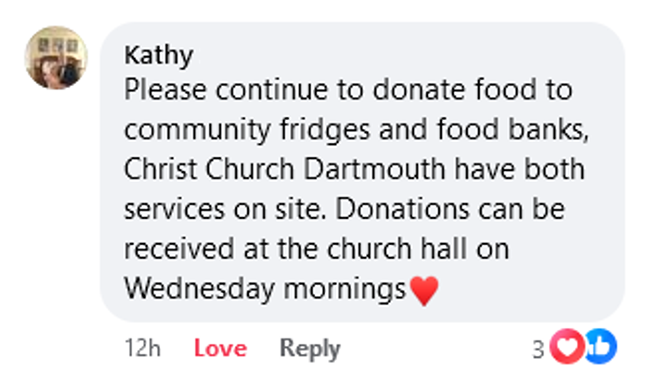
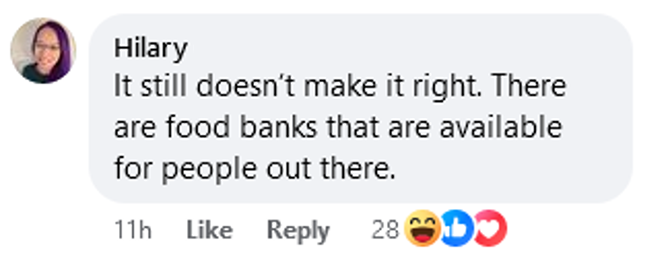
Aren't food banks there for people who can't afford groceries? Shouldn't we just donate to food banks and support independent grocers and farmers' markets?
Absolutely, but community generosity and consumer choices must be accompanied by broader efforts to address the root causes of food insecurity. Food banks provide essential emergency assistance, but many are overwhelmed and stretched to their limits. They're a stopgap, not a solution to food insecurity.
The role of poverty and the stigma of shoplifting.
"Sometimes life leaves shoplifters no choice." - What drives this? What are the generational and political divides on our attitudes towards shoplifting?
https://humbernews.ca/2022/11/opinion-poverty-is-a-major-legitimate-factor-in-retail-stores-theft-rise/
Many studies overlook the link between shoplifting and financial hardship. Food theft often reflects reduced income, economic struggles, and food insecurity rather than criminal intent. People facing these circumstances may struggle to afford basic necessities while managing debt. Food accounts for approximately one-third of reported theft incidents. https://scholarworks.wmich.edu/cgi/viewcontent.cgi?article=1876&context=jssw
The moral panic surrounding food theft has increased surveillance, security and policing while ignoring the hardships faced by people in poverty. “Shame the culprits” and “think twice” campaigns do little to address the underlying causes of shoplifting, including economic hardship and food insecurity. https://www.bigissue.com/news/social-justice/shoplifting-rise-cost-of-living-children-poverty/
The cost of policing and incarceration can far exceed the cost of food theft, with additional social consequences. Rather than criminalizing hunger, resources should focus on feeding people. Prison does not solve hunger https://theconversation.com/policing-is-not-the-answer-to-shoplifting-feeding-people-is-217046
"Far too often we look to food as the solution... but food insecurity is not a problem that's rooted in a lack of food. It is an issue that is rooted in inadequate income."
"Poverty is a political choice. There is no other way to look at it. We are deciding every day what we are going to prioritize and we have not clearly prioritized addressing food insecurity."
Rising inflation and reduced social supports contribute to food theft in Canada. Increased policing creates unequal community impacts, while framing theft as a threat to paying customers deepens the divide between those who can afford groceries and those who cannot. https://www.cbc.ca/news/canada/nova-scotia/food-insecurity-data-nova-scotia-2022-1.6833773
Who's Behind Just Lower Prices?